
Exploring Black History in Washington, D.C.
Washington, D.C., is home to some of the nation’s most important landmarks honoring Black history, culture and leadership. For students, the city offers a powerful look at the people and stories that shaped American history. From the arts and political activism to community spaces and cultural institutions, here are some of our favorite places for groups to experience during Black History Month and throughout the year.
U Street: A Historic Black Cultural District
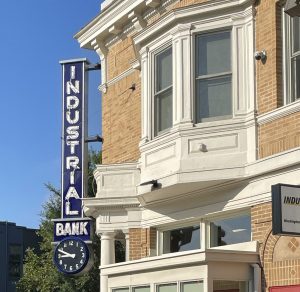
Known in its prime as “Black Broadway,” the U Street corridor remains one of the most significant cultural districts in the country. Students can walk through an area once filled with jazz clubs, performance halls and thriving Black-owned businesses. The neighborhood is also home to the Industrial Bank, the first Black-owned bank in the region. The bank has served the community for generations while surviving periods of unrest, including the riots of the 1960s.
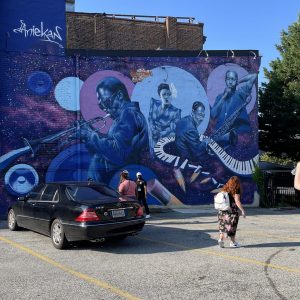
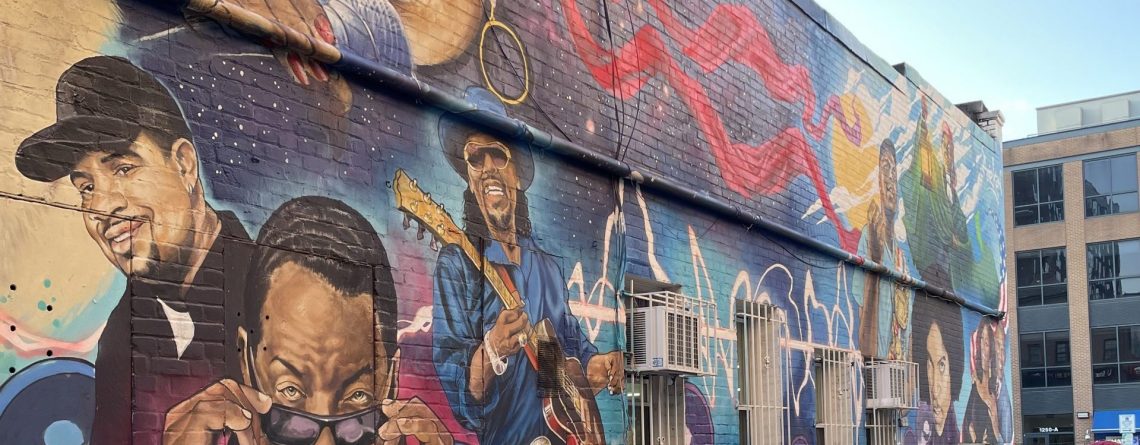
Today, the streets feature stunning murals and public art created by Black graffiti and visual artists whose work continues to celebrate identity and resilience through creativity. To explore the artists and stories behind these murals, visit the MuralsDC Project.
Museums that Highlight Community and Culture
Washington, D.C., offers several museums dedicated to preserving and sharing Black history. The National Museum of African American History and Culture provides an immersive, multilayered look at the African American experience. Its exhibitions on music, sports, community and the arts make it a must-see for students.
Across the river, the Smithsonian Anacostia Community Museum established a space to preserve and share local history and culture. Today the museum stays rooted in its founding, lifting up stories of activism in their neighborhoods and communities.
Stories of Leadership: Mary McLeod Bethune Council House
Just beyond U Street, students can explore the Mary McLeod Bethune Council House. Bethune was an educator and trusted advisor to Eleanor Roosevelt. Appointed to many roles in government and other Black activist groups, she was an integral civil rights leader.
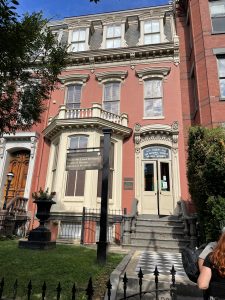
Her three-story, Victorian townhouse was home to the National Council of Negro Women on the first and second floors, while Bethune resided on the third floor. It became a center of Black political leadership for decades, hosting conversations that influenced national policy and shaped opportunities for Black women in government. The site offers insight into Bethune’s legacy and the broader work of the National Council of Negro Women.
Community Spaces and Local Favorites
Many tour groups also enjoy stops at Black-owned businesses that have become cultural landmarks. Ben’s Chili Bowl, a longtime staple on U Street, is known for its welcoming atmosphere and deep community roots. Busboys and Poets, a restaurant and bookstore inspired by poet Langston Hughes, offers a creative environment for students to reflect.
After visiting these local gems, student take home an irreplaceable souvenir: the stories of Black Americans’ rich culture and history in Washington, D.C.
Let’s plan a student trip that explores Black history. Contact us today!